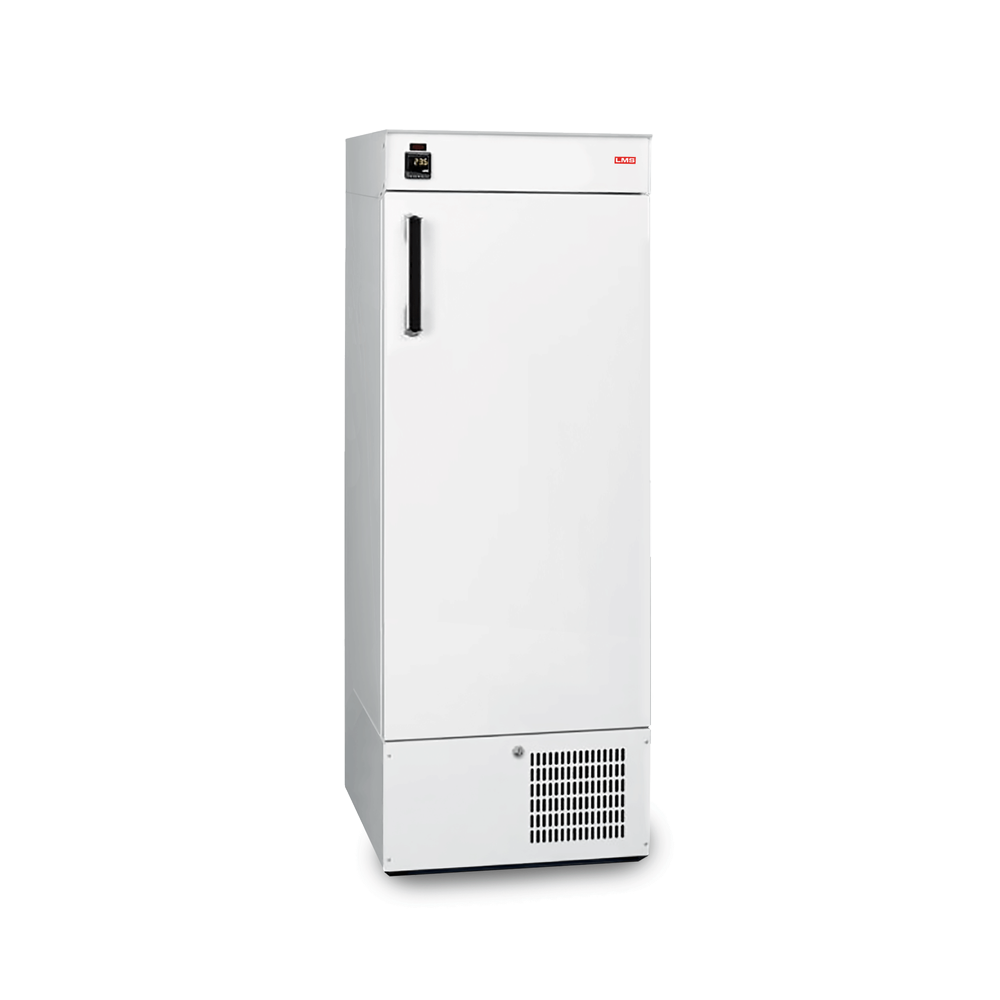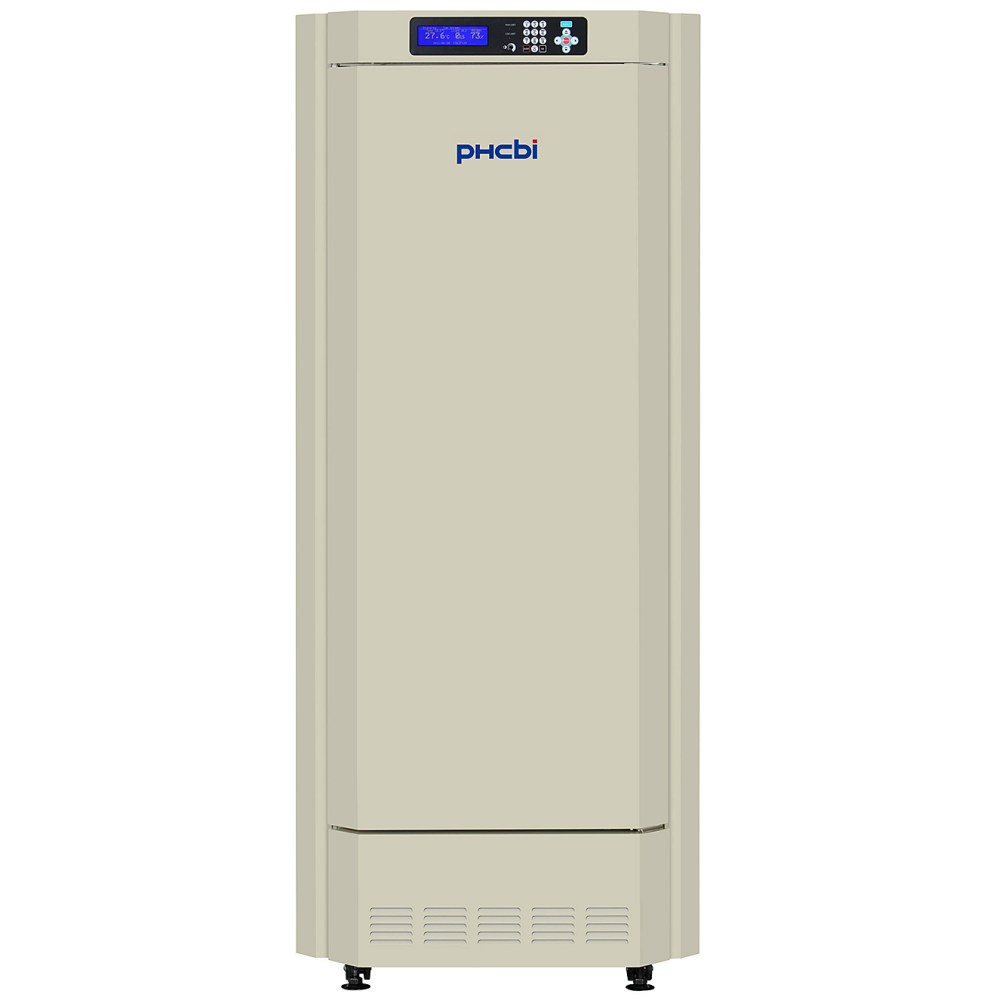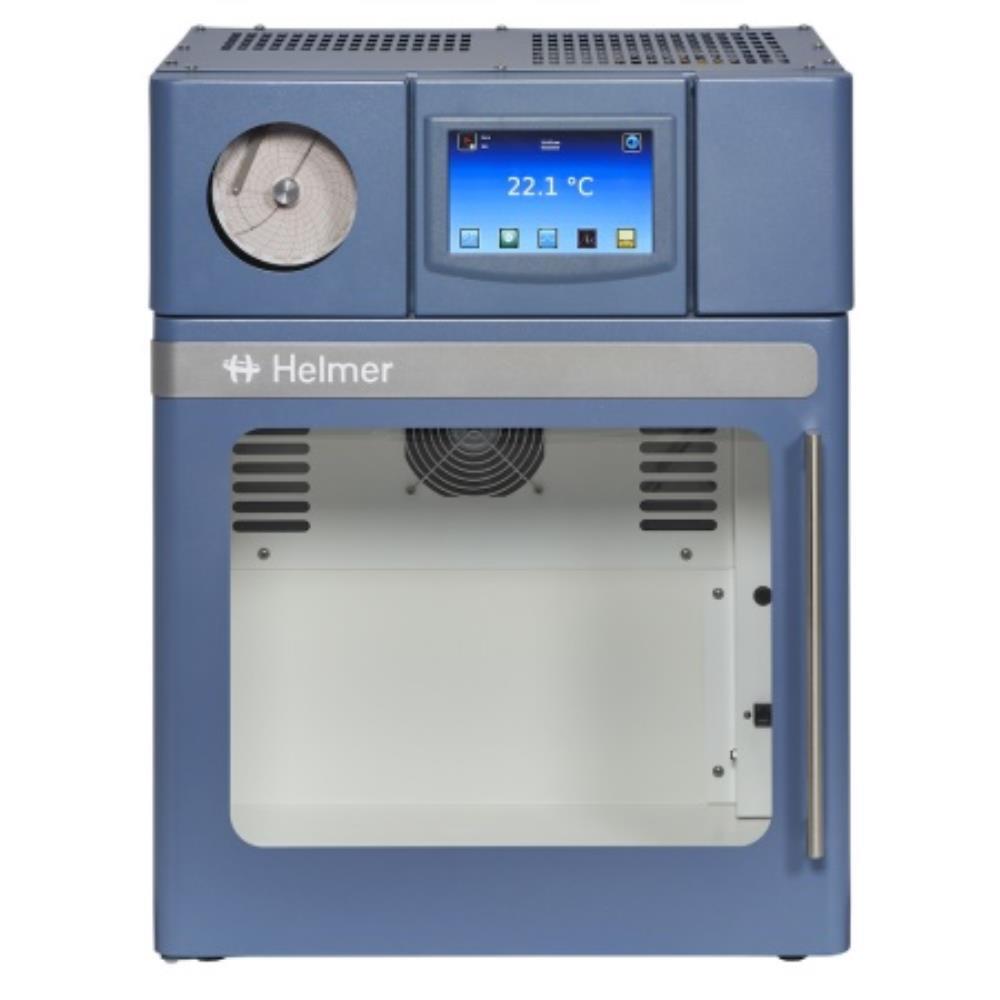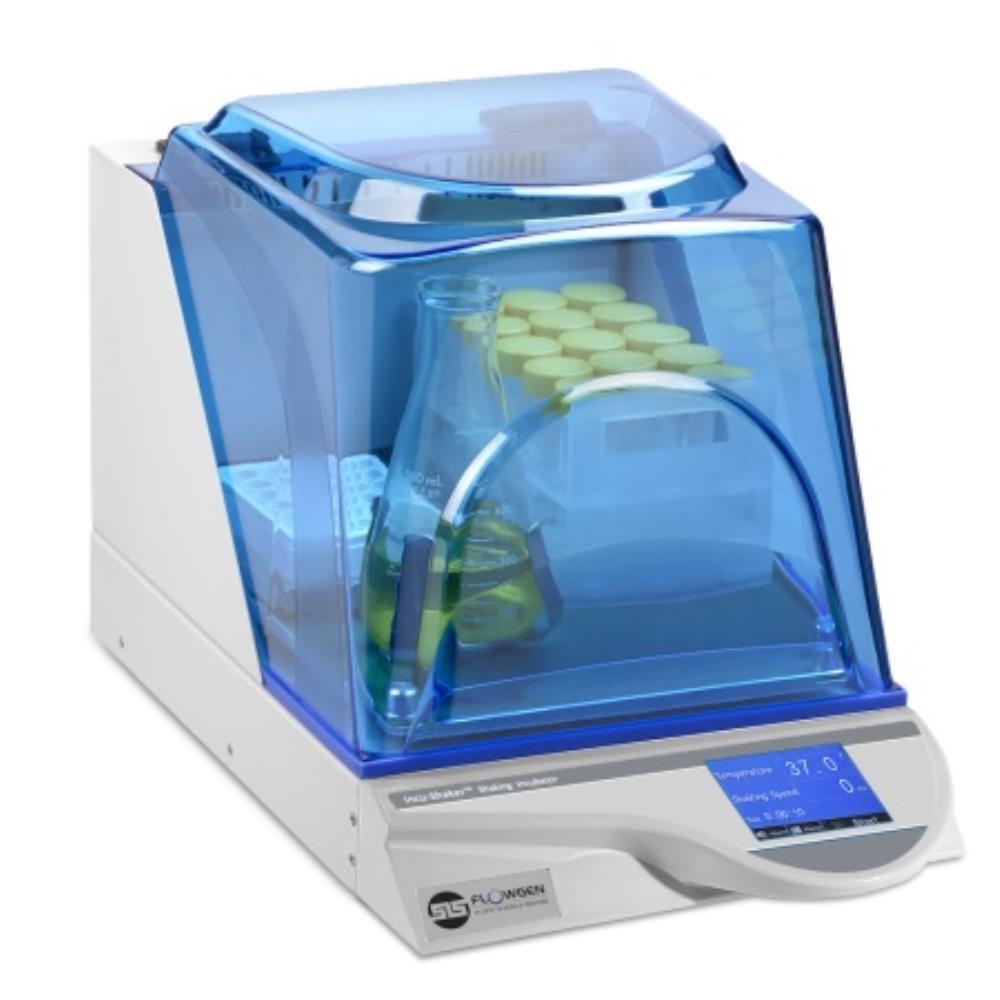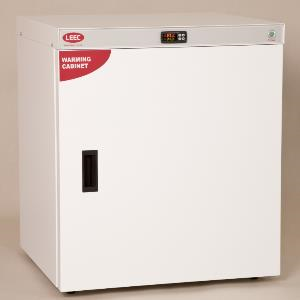
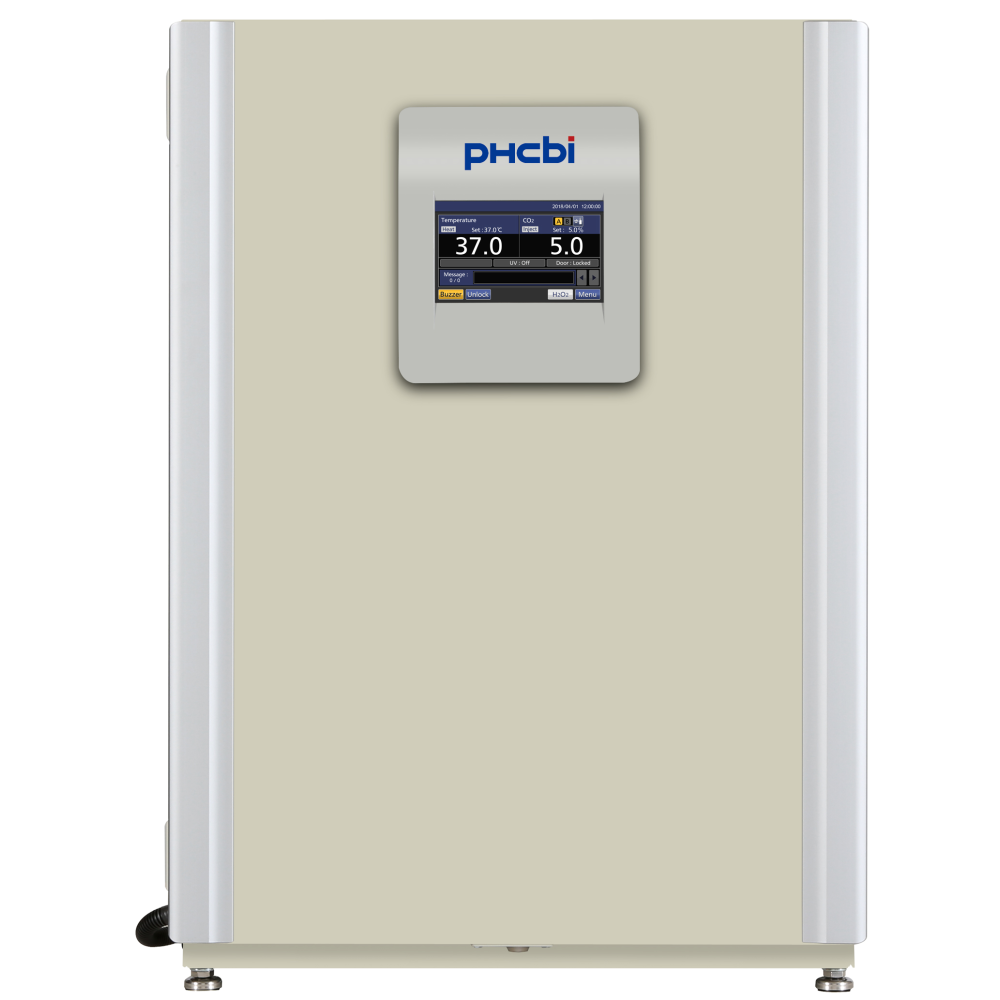

Laboratory incubators for reliable temperature-controlled environments

Maintain stable conditions for consistent and reproducible results.

Designed to support microbiology, cell culture, plant research, and other temperature-controlled applications.

Trusted incubation solutions for laboratory environments

Reliable incubation is essential for maintaining stable conditions across microbiology, cell culture, plant research, transfusion services, and other temperature-controlled applications. Incubators provide controlled environments that support accurate processes, sample integrity, and consistent results.

Our range of high-performance laboratory incubators from trusted manufacturers delivers dependable solutions for research, clinical, and testing laboratories. From equipment consultancy and purchase through to installation, calibration, validation and servicing, our team is here to support you at every stage of your laboratory operations.

Explore our Incubators range

More than just choice

With over 450 years of engineering expertise, we guide equipment selection and provide custom set up and calibrations for confident and compliant operations.

FAQ

How do I choose the right laboratory incubator for my application?

You should start by considering the type of samples you work with, the required temperature range, chamber size, airflow system, and uniformity requirements. Microbiology labs tend to prioritise temperature stability and capacity, whilst cell culture labs may require additional environmental controls or CO capability. If you’re unsure which configuration is best for your lab, speak to our team for personalised advice based on your applications and budget.

What size incubator should my laboratory purchase?

Begin by assessing how many samples or culture vessels you run at once, as well as future workload growth. Many labs underestimate their capacity requirements, so choosing a slightly larger chamber can help avoid operational bottlenecks.

Should I choose natural convection or forced-air incubation?

Natural convection incubators are often preferred for sensitive samples or contamination-sensitive work, whilst forced-air incubators provide faster temperature recovery and better uniformity. The right choice depends largely on your applications and sample types. If you’re unsure which airflow system suits your work best, our specialists can help you evaluate the options.

What features help reduce contamination in laboratory incubators?

Look for antimicrobial interiors, easy-to-clean chambers, HEPA filtration, and seamless stainless-steel interiors.

Do laboratory incubators need to be validated?

If your incubator is used in regulated environments such as NHS laboratories, pharmaceutical facilities, or GMP/GLP settings, validation is typically required to confirm temperature accuracy and chamber uniformity. Even in research labs, routine calibration and performance checks are recommended. If you're unsure what level of validation is appropriate, our team can help advise based on your application and compliance requirements.

How often should a laboratory incubator be calibrated?

Most laboratories calibrate incubators annually or semi-annually to ensure temperature accuracy and compliance with quality standards.

Choose the right equipment with confidence

Let’s discuss how we can help to achieve your goals.

Discover more equipment compliance solutions for your lab