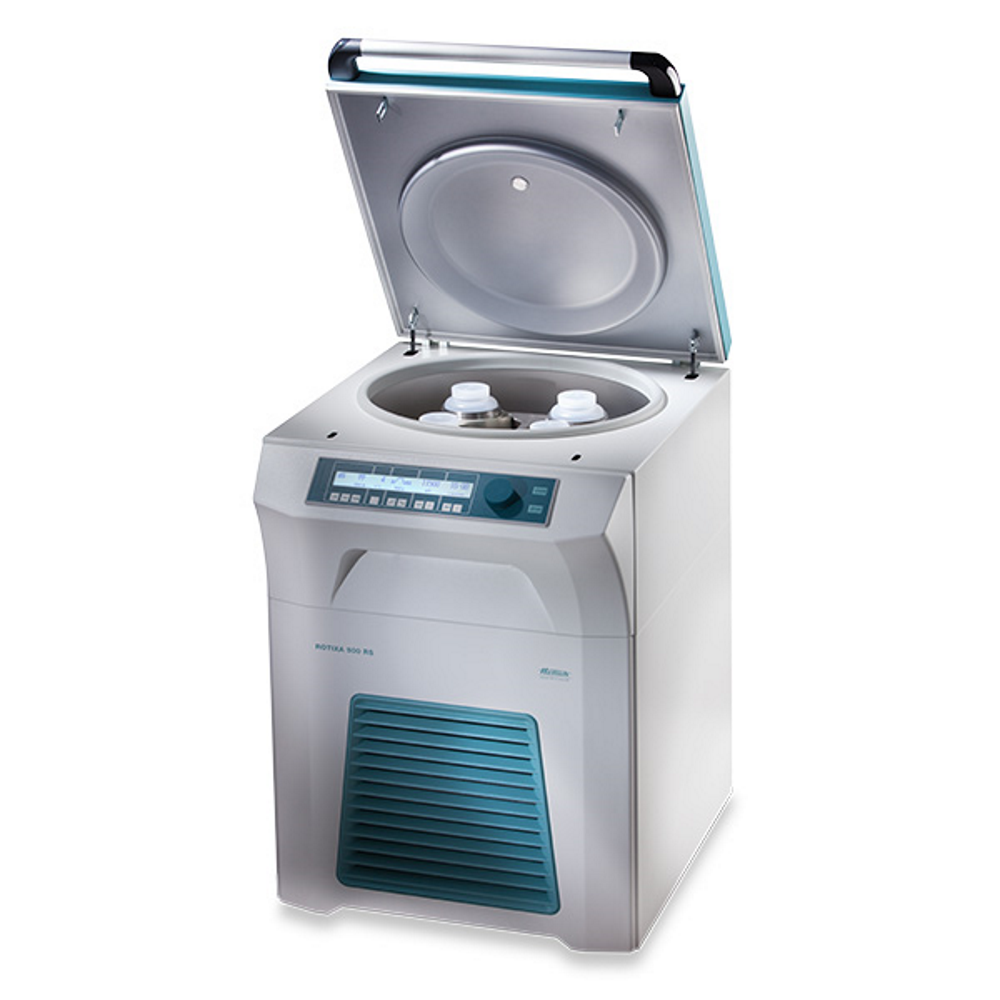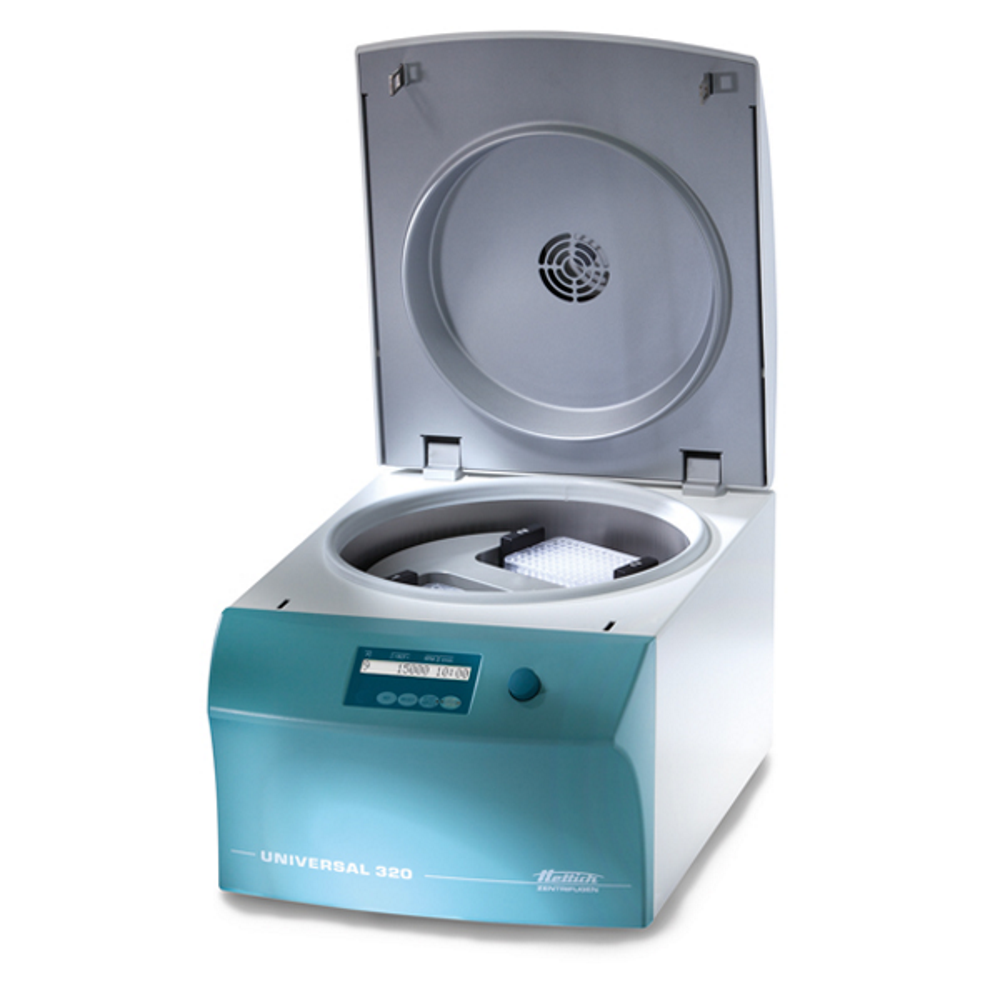

Laboratory centrifuges for reliable sample separation

High-performance centrifuges designed for demanding laboratory applications.

Choose from a range of benchtop and floor-standing centrifuges from trusted manufacturers with nationwide servicing support.

Choosing the right centrifuge for your application

Selecting the right centrifuge is essential for achieving reliable and consistent sample separation. Factors such as sample type, required speed, capacity, temperature control, rotor compatibility, and compliance requirements all play an important role in choosing the most suitable system for your workflow.

Our range includes benchtop and floor-standing centrifuges from leading manufacturers, designed to support research, clinical, pharmaceutical, and industrial laboratories. These systems help maintain efficient workflows while supporting operational and regulatory requirements across a wide range of applications.

Explore our Centrifuges range

More than just choice

With over 450 years of engineering expertise, we guide equipment selection and provide custom set up and calibrations for confident and compliant operations.

FAQ

How do I choose the right centrifuge for my application?
The right centrifuge depends on your sample type, required speed, tube size, capacity, and laboratory workflow. Our specialists can help you select the most suitable model for your application.
What rotor types are available for centrifuges?

The most common rotor types are fixed-angle rotors and swing-out rotors. Fixed-angle rotors are typically used for faster separations and high-speed pelleting, making them suitable for DNA/RNA extraction, protein precipitation, cell pelleting, and microbiology workflows. Swing-out rotors are ideal when clear layer separation is required, such as in blood fractionation, clinical diagnostics, density gradient centrifugation, and serum or plasma preparation.

Do I need a refrigerated or heated centrifuge?

If your samples are temperature-sensitive, a refrigerated centrifuge helps maintain controlled conditions during centrifugation, which is important in molecular biology, clinical, and pharmaceutical laboratories. Heated centrifuges may be preferred for applications where samples need to remain above ambient temperature to prevent precipitation or maintain reaction conditions.

If you're unsure which option is best for your workflow, speak to one of our specialists today.

Is centrifuge validation required in regulated laboratories?

In regulated environments such as pharmaceutical, clinical, and GMP laboratories, centrifuges may require equipment qualification and validation to demonstrate they perform consistently and meet regulatory requirements. Speak to our team to find out more.

Do centrifuges need rotor inspection or replacement?
Yes. Rotors should be regularly inspected for corrosion, cracks, or wear, as damaged rotors can pose safety risks. Manufacturers often recommend scheduled inspection or replacement depending on usage. These checks are typically carried out during periodic servicing visits. Speak to our team to learn more about the servicing plans available.
Do you offer centrifuge servicing and maintenance plans?

Yes. We offer preventative maintenance and servicing plans to help laboratories maintain performance, safety, and compliance. Customers who purchase their centrifuge through us may also benefit from discounted servicing options. Speak to our team to learn more about available plans.

Choose the right equipment with confidence

Let’s discuss how we can help to achieve your goals.

Discover more equipment compliance solutions for your lab