

Equipment consultancy
Make confident, compliant investments without costly mistakes with our expert engineer-led support.
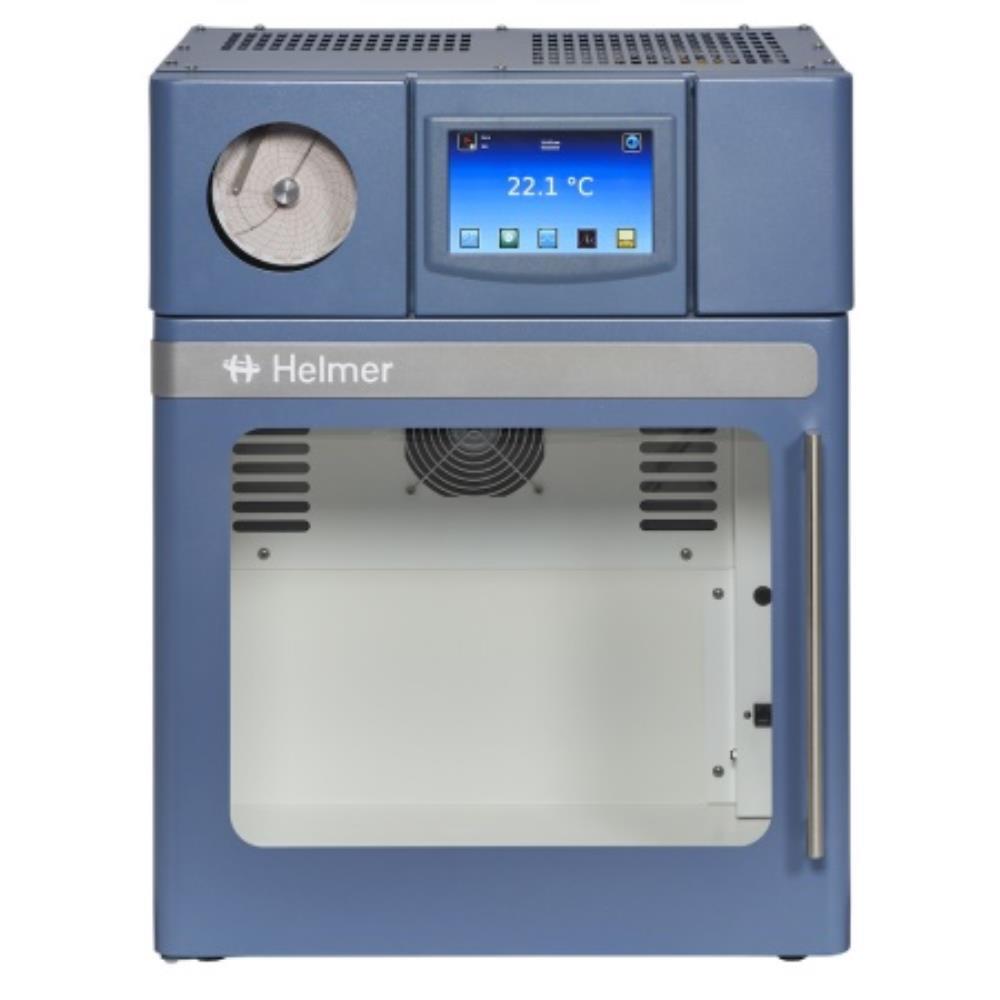
Maintain stable temperature conditions to support platelet viability.
Designed for consistent performance and compliance in critical transfusion workflows.
Protecting platelet viability requires stable and controlled storage conditions. Platelet incubators maintain the recommended 20–24 °C temperature range whilst supporting continuous agitation to help preserve platelet quality for transfusion use.
Our range of high-performance platelet incubators from trusted manufacturers provides reliable solutions for transfusion services and clinical facilities managing platelet inventory. From equipment consultancy and purchase through to validation, servicing, and calibration, our team helps support safe and compliant platelet management.
No products found in this range. Try a different category or range.
With over 450 years of engineering expertise, we guide equipment selection and provide custom set up and calibrations for confident and compliant operations.
Expert support to select the right pipette for your environment and workflow.
Installation, configuration, and training for full operation from day one.
UKAS or traceable calibration for accuracy and compliance.

Start by considering how many platelet units you typically store at one time, as well as any peak demand or emergency reserve requirements. It’s usually advisable to select a unit with some additional capacity beyond your average inventory, which provides flexibility during periods of higher demand or supply fluctuations.
Many platelet incubators include digital temperature displays, alarm systems, and monitoring capabilities to help ensure stable storage conditions. These features can provide reassurance that temperature remains within the required range.
Yes. In the UK, platelet incubators used for blood storage should be validated to confirm they maintain the required 20–24 °C temperature range and consistent chamber conditions. Validation typically includes temperature verification or chamber mapping, particularly at installation and during periodic checks.
It’s best to consider maintenance and calibration from the point of installation. Many facilities schedule annual calibration or performance checks to ensure ongoing accuracy and regulatory compliance.
Let’s discuss how we can help to achieve your goals.